

Blog / Reed Nissan Clermont Service

Nissan AC Repair in Clermont: Beating the Florida Summer Heat

Driving through Clermont in July without a working AC isn't just uncomfortable. It can be genuinely dangerous. Florida summers are relentless, and your Nissan's air conditioning system carries more weight here than it would almost anywhere else in the country. If your AC has been acting up lately, you're not alone. Nissan owners across Clermont, Minneola, Groveland, and the surrounding South Lake area deal with AC issues more frequently than drivers in cooler climates, and there are real reasons why.

If you've noticed something off, we encourage you to schedule your AC service before the hottest months arrive, because catching a problem early almost always means a simpler, less costly repair.

Why Florida Heat Hits Your Nissan's AC Harder Than You Think

A typical vehicle's AC is designed around seasonal use. In Florida, that assumption falls apart quickly. Your Nissan's AC runs at full capacity for the better part of the year, cycling through constant heat and humidity that pushes every component to its limit. That sustained demand accelerates wear in ways a standard maintenance schedule in a cooler climate would never anticipate.

High ambient temperatures force the compressor to work harder to maintain a comfortable cabin temperature, which shortens its lifespan over time. Humidity adds another layer of strain, increasing moisture within the system and creating conditions where mold or mildew can take hold in the evaporator and cabin air filter. Add stop-and-go traffic along State Road 50 or Highway 50, and you have a system that rarely gets a break. For Clermont drivers, this is the daily reality your AC is quietly managing every time you start the car.

Warning Signs Nissan Owners in Clermont Should Never Ignore

Florida's heat leaves little margin for a poorly performing AC. The signs that something is off tend to appear gradually, which makes them easy to dismiss until the system stops working entirely. Catching them early keeps a small issue from becoming a costly repair.

Weak or Warm Air Coming From the Vents

If the air coming through your vents feels weaker than usual or doesn't cool the cabin the way it used to, that's a clear signal that something isn't right. Low refrigerant levels, a clogged cabin air filter, or early compressor trouble can all produce this symptom. In Clermont's heat, reduced airflow isn't just an inconvenience. It can make school pickups or long drives genuinely uncomfortable and potentially unsafe for children or pets in the vehicle.

Strange Smells or Sounds When the AC Kicks On

A musty or mildewy smell when you first turn on the AC usually points to mold or bacteria buildup in the evaporator core or cabin filter, both of which are common in Florida's humid environment. Unusual sounds like grinding, squealing, or clicking when the system engages suggest mechanical issues such as a failing compressor clutch or debris in the blower housing. Neither should be ignored, and these symptoms rarely resolve on their own.

Inconsistent Cooling or an AC That Keeps Cycling Off

An AC that blows cold for a few minutes and then gradually warms up, or one that turns off and back on repeatedly, often points to a refrigerant leak or an electrical fault in the system. This kind of erratic behavior is frustrating in a mild climate.

In central Florida heat, it can make driving genuinely uncomfortable and, in some cases, hazardous. If your system can't hold a steady temperature on your commute or a trip into Orlando, it's worth having it evaluated by technicians who know Nissan systems specifically.

Common Culprits Behind Nissan AC Problems

Most AC issues in Nissan vehicles trace back to a handful of common causes. Knowing what typically goes wrong helps you understand what our technicians are looking for during an inspection.

Refrigerant Issues and Cabin Air Filter Buildup

Refrigerant leaks are among the most frequent reasons Nissan AC systems underperform. Over time, seals and hoses deteriorate, and Florida's heat speeds up that breakdown process, allowing refrigerant to escape slowly. Nissan vehicles use R134a in older models or R1234yf in newer models (generally starting around 2018 to 2020), and maintaining the correct refrigerant type and capacity is essential for efficient cooling. A slow leak reduces cooling capacity gradually, often without a dramatic moment of failure that makes the problem obvious.

A clogged cabin air filter is another common issue that's easy to overlook. This filter traps pollen and debris before air enters the cabin, but when it becomes saturated, it restricts airflow significantly. Nissan recommends replacing the cabin air filter every 15,000 to 30,000 miles, though in a high-pollen environment like central Florida, it can clog faster. A restricted filter forces the AC system to work harder, adding strain on the blower motor and compressor over time.

Blower Motor Concerns and Compressor Wear

The blower motor is what pushes conditioned air through your vents. When it starts to fail, airflow drops noticeably, sometimes accompanied by unusual noises or the motor working only at certain speed settings. In a Florida summer, a compromised blower makes it nearly impossible to keep the cabin at a livable temperature.

Compressor wear is a longer-term concern, but one that's especially relevant for Nissan owners who have logged significant mileage in the Florida heat. The compressor pressurizes the refrigerant that drives the entire cooling process, and continuous operation under high ambient temperatures puts it under sustained stress. Regular inspections can identify early warning signs of compressor fatigue before a full replacement becomes necessary.

When Florida Life Demands a Reliable AC System

There's a reason Floridians treat a functioning AC as non-negotiable. Cabin temperatures in a parked or poorly cooled vehicle can climb rapidly, creating dangerous conditions for children, elderly passengers, and pets within minutes.

For Clermont drivers who rely on their Nissan Rogue, Altima, Pathfinder, or Frontier for daily commutes, school runs, beach trips, or summer road trips, a dependable AC isn't optional. It's part of what makes the vehicle safe and usable during the months that matter most. If something seems off, trusting that feeling is the right call. The sooner the system is evaluated, the less likely a minor issue turns into a major one.

What to Expect From Nissan AC Service at Reed Nissan Clermont

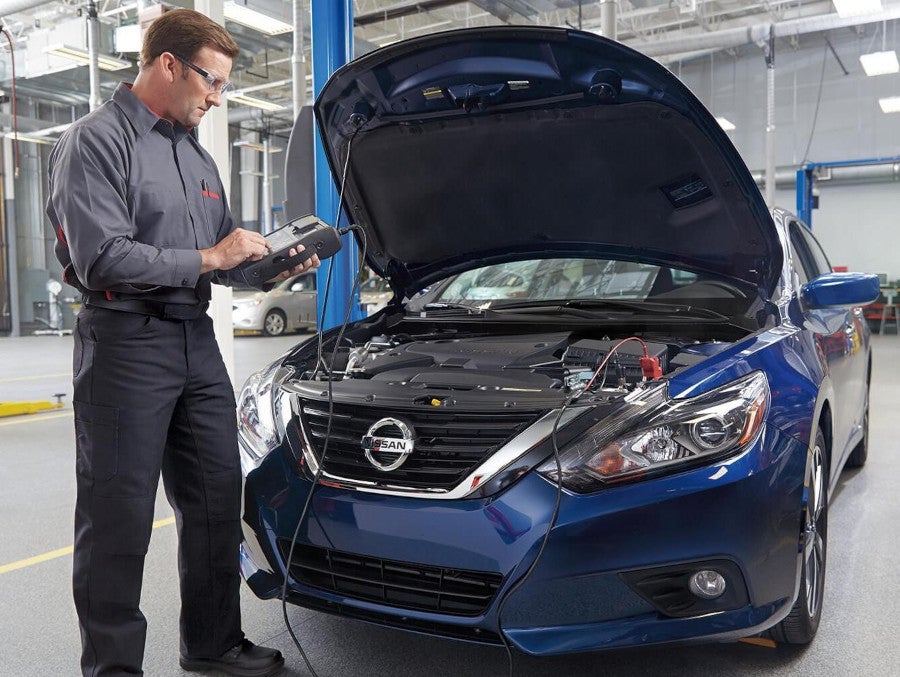
A proper AC inspection goes well beyond checking whether cold air comes out of the vents. At our service center, the service process covers a thorough evaluation of the entire system, including refrigerant levels, compressor function, condenser and evaporator condition, hoses, seals, electrical connections, and the cabin air filter.

If a refrigerant leak is detected, our technicians locate and address the source rather than simply recharging the system without fixing the underlying problem. Recharging alone without identifying a leak is a temporary solution that leads to repeat visits. The goal of a complete Nissan AC service is to restore full system performance and keep it running reliably through the long Florida summer.

Our service center operates Monday through Friday from 7:30 AM to 6:00 PM and Saturday from 7:30 AM to 5:00 PM. You can reach us directly at 352-432-0696 to ask questions or talk through what a specific symptom might indicate.

Why Nissan-Trained Technicians Produce Better Outcomes

There's a meaningful difference between a general auto shop and a dealership service center staffed by technicians trained specifically on Nissan vehicles. Nissan AC systems have their own component specifications and software interfaces, and our technicians work on these systems regularly. That familiarity leads to more accurate diagnosis and fewer unnecessary part replacements.

Our technicians use Nissan-specific diagnostic tools that read system data general shops may not be able to access. Repairs use OEM parts built to the exact specifications your vehicle's AC was designed around, which matters especially under Florida operating conditions. They also carry model-specific knowledge of common failure points in vehicles like the Rogue, Altima, Sentra, Pathfinder, and Frontier, so a symptom that might look like one problem from the driver's seat gets properly distinguished from something that requires a completely different repair.

Reed Nissan Clermont's technicians include NNA and ASE-certified professionals, as well as two Master Technicians. Using genuine OEM Nissan parts ensures that any replaced components hold up over time.

Schedule Your Nissan AC Inspection at Reed Nissan Clermont

Waiting until the AC completely stops working typically means a more expensive repair and a harder wait during the hottest months of the year. Scheduling an inspection at the first sign of trouble, whether that's weak airflow, odd smells, or inconsistent cooling, gives our technicians a chance to catch problems while they're still manageable.

Schedule your AC service today and get ahead of the summer heat. Reed Nissan Clermont is located at 16005 State Road 50, Clermont, FL 34711, and serves drivers throughout Clermont, Minneola, Groveland, and South Lake County. Call us at 352-432-0696 during service hours.

Whether you've noticed something specific or just want a seasonal check before the heat peaks, getting ahead of Nissan AC repair in Clermont, FL is one of the smarter decisions you can make as a Nissan owner in Florida.
Posted in:

Related Posts

Nissan AC Repair in Clermont: Beating the Florida Summer Heat

Picture this: you're sitting in traffic on Highway 50 in July, the Chain of Lakes humidity pressing in around you, and the air coming out of your vents is barely cooler than the 89°F heat outside. It's not a comfortable situation, and it's one we hear about regularly from Nissan owners throughout Clermont and the surrounding Lake County communities. A functioning AC system in Central Florida isn't optional. When yours starts underperforming, the underlying problem rarely improves on its own. If your Nissan's AC isn't keeping up, schedule your service appointment with our team before the heat gets ahead of you. We're the certified service team at Reed Nissan Clermont, and we work on Nissan AC systems every day. In this guide, we'll walk you through why Florida's climate accelerates AC wear, what warning signs to watch for, and what to expect when you bring your vehicle in for service. Why Florida Summers Push Your Nissan's AC System to Its Limits Most AC systems are built to handle heat, but Florida heat is something else entirely. The combination of high ambient temperatures and persistent humidity forces your Nissan's air conditioning to run continuously and at full capacity for months on end. In cooler climates, drivers flip the AC on occasionally. Here in Central Florida, it runs every single day without a break. That constant demand takes a real toll. Refrigerant levels drop, seals and hoses deteriorate faster under heat stress, and compressors wear out more quickly when they never get a chance to rest. The stop-and-go traffic along Highway 50 and through the broader Clermont area means heat builds up during low-speed driving, pushing components past their limits in ways that simply wouldn't happen in a milder climate. Trucks and SUVs parked at boat ramps or job sites bake in direct sun for hours. Vehicles sitting in open parking during a long workday start every afternoon at a serious thermal disadvantage. Florida's UV exposure and humidity don't just affect comfort. They accelerate physical wear on every component in the system. Warning Signs Your Nissan AC Needs Repair Your Nissan's AC will usually give you signals before it stops working altogether. Catching those signals early is the difference between a manageable repair and a much more involved one. Here are the warning signs every Nissan owner in the Clermont area should know. Weak or Warm Airflow Coming from the Vents What you notice: You turn on the AC and the airflow feels weaker than usual, or the air isn't getting cold even after the system has been running for several minutes. What it may mean: Low refrigerant is one of the most common causes, often the result of a slow leak that builds up over time without obvious symptoms. A failing compressor can also reduce cooling capacity significantly, and blockages in the air ducts can restrict airflow before it ever reaches the cabin. None of these issues resolve on their own, and each one tends to get worse the longer it goes unaddressed. Unusual Noises or Strange Smells When the AC Is Running What you notice: You hear hissing, grinding, or rattling when the AC is on, or you notice a musty, mildewed smell coming from the vents. Occasionally, a burning smell accompanies AC operation. What it may mean: A hissing noise often points to a refrigerant leak somewhere in the system. Grinding or rattling can signal a mechanical problem with the compressor or debris caught in the fan assembly. A musty odor typically means mold or mildew has developed in the evaporator or air ducts, which is especially common given Florida's humidity levels. A burning smell may indicate an electrical fault that needs prompt attention. Any of these changes are worth having our certified Nissan technicians evaluate right away. AC That Cycles Erratically or Struggles to Hold Temperature What you notice: The AC turns on and off repeatedly, or it simply can't maintain a comfortable cabin temperature even after running for an extended period. What it may mean: Refrigerant leaks, faulty pressure sensors, or electrical faults can all cause erratic cycling. In Florida's heat, a system that can't hold a consistent temperature doesn't just make for an uncomfortable drive. It creates conditions that can become genuinely unsafe, particularly for children and pets in the vehicle. Why Fast Diagnosis Matters More in Florida Heat It's tempting to put off an AC repair visit when the system still works partially. But in Central Florida's climate, partial cooling can deteriorate into no cooling very quickly. A small refrigerant leak becomes a larger one. A struggling compressor operating under constant heat stress has a much shorter lifespan than one that gets diagnosed and repaired while the problem is still manageable. The most costly outcome we see regularly is compressor failure caused by a system running low on refrigerant for too long. What might have been a straightforward refrigerant recharge turns into a compressor replacement because the problem was ignored through one too many summer weeks. There's also a real safety dimension here. Temperatures inside a parked vehicle spike to dangerous levels within minutes during a Florida summer, and a compromised AC system during a long commute creates genuine health risks, especially for families traveling with young children or elderly passengers. Getting the system diagnosed at the first sign of trouble protects both your vehicle and everyone inside it. Schedule your service appointment and let us identify what your system needs before the situation escalates. What Professional Nissan AC Service Actually Involves Nissan AC service is more thorough than many drivers expect. A professional inspection doesn't just confirm whether cold air comes out. It evaluates every major component to identify current failures and spot developing problems before they become costly ones. System Inspection, Leak Detection, and Refrigerant Recharge A proper service starts with a comprehensive evaluation of the entire AC system. Our technicians check refrigerant levels, inspect hoses, connections, and seals for leaks, and assess overall functionality under operating conditions. Leak detection is a critical step because even a small refrigerant leak will keep draining performance and can eventually damage other components. We use UV dye and electronic leak detection equipment to locate leaks accurately. Once any leaks are addressed, we recharge the refrigerant to the manufacturer-specified level. It's worth noting that newer Nissan models use R-1234yf refrigerant, while older models use R-134a. These are different refrigerant types that require different handling and equipment, which is one reason why accurate diagnosis drives the entire service path. Component Testing and Common Parts That Wear Over Time After the initial inspection and refrigerant assessment, our technicians move into component-level testing. Each major part is evaluated to confirm it's functioning within acceptable parameters. Component Common Issues Repair Solution Prevention Tips Compressor Clutch failure, low refrigerant damage Clutch or full replacement Run AC monthly year-round, maintain refrigerant levels Condenser Debris blockage, corrosion from humidity Cleaning or replacement Inspect regularly, avoid rough roads Electrical System Frayed wires, blown fuses Repairs and replacements Routine checks during service Evaporator Bacterial buildup, core leaks Treatment or replacement Change cabin filter, run AC regularly Hoses and seals get particular attention since these parts are prone to cracking and deterioration in Florida's heat. A compromised seal can undo a refrigerant recharge surprisingly fast. Catching worn components during a service visit, before they fail completely, is one of the clearest advantages of professional Nissan AC service. Why Clermont Nissan Owners Benefit from Certified Service Nissan vehicles have specific engineering characteristics, and their AC systems are no exception. Choosing our Nissan service center means your vehicle is handled by technicians trained specifically on Nissan systems, using genuine OEM parts designed to fit and function as Nissan intended. Generic parts or non-specific repair approaches can create compatibility issues or shorter repair lifespans down the road. That difference matters when you're dealing with a system operating under Florida's level of continuous demand. Our location on Highway 50 in Clermont is also a practical advantage for drivers throughout Lake County, South Lake County, Minneola, and Groveland. You reach us without navigating Orlando traffic or the I-4 corridor. Whether you bring in a Rogue, Altima, Pathfinder, Frontier, or any other model, you're working with technicians who know Nissan systems thoroughly and carry the parts to service them correctly. Simple Habits That Help Your Nissan AC Last Longer Between Services Consistent attention between service visits goes a long way toward reducing how often your AC needs significant repairs. Check and replace your cabin air filter on schedule. Nissan recommends replacing the cabin air filter every 15,000 to 30,000 miles under normal conditions. Florida's dust, pollen, and humidity often call for more frequent replacement. A clogged filter restricts airflow and forces the system to work harder. Many owners find replacing theirs every 12 to 15 months keeps airflow consistent year-round. Keep the exterior condenser clear of debris like leaves, dirt, and insects, especially after storms or long trips on unpaved roads. Run the AC periodically during cooler months, even briefly. Keeping the system active prevents seals from drying out and maintains proper lubrication throughout. Park in shaded areas whenever possible, or use a windshield sunshade. Reducing the interior temperature your AC starts from eases the initial load on the compressor significantly. After extended periods where the vehicle sits in the sun at a boat ramp or job site, give the system a few minutes to cycle before expecting full cooling output. Schedule Your Nissan AC Repair at Reed Nissan Clermont Today If your Nissan's AC isn't performing the way it should, now is the right time to act. Our team serves Clermont, Minneola, and the surrounding Lake County communities, and we're ready to diagnose your system and recommend the right repair path. Schedule your service appointment today and let's get your Nissan cooling properly before the summer heat takes over.

Preparing Your Car for Florida Spring: Essential Nissan Maintenance in Clermont

Spring in Clermont brings more than warmer weather and blooming landscapes. Our Lake County climate creates a perfect storm of automotive challenges: intense heat buildup, afternoon thunderstorms that flood Highway 50 in minutes, and humidity that accelerates wear on critical vehicle systems. At Reed Nissan Clermont, we've seen how Florida's spring transition tests every component of your Nissan. That's why we recommend having our NNA Certified technicians inspect your vehicle before summer's peak heat arrives. Schedule your spring maintenance appointment with our team, and we'll ensure your Nissan is ready for whatever Florida weather brings. Why Florida Spring Demands Different Vehicle Care Florida's spring doesn't follow textbook seasonal patterns. Clermont jumps from pleasant February mornings to scorching March afternoons, which stresses vehicle systems that expect gradual climate changes. Your Nissan's battery, cooling system, and tires all face exponential wear when heat spikes suddenly rather than building slowly. Heat, heavy rain, and high humidity create a triple threat. Heat accelerates chemical reactions inside your battery, shortening its lifespan significantly. Humidity promotes corrosion in electrical connections. Those afternoon thunderstorms? They transform roads into hydroplaning hazards within seconds, testing your tires exactly when you need traction most. Our outdoor lifestyle makes these challenges worse. Whether you're launching boats at local lakes, commuting on Highway 50, or running errands around Clermont, your Nissan works harder in Florida conditions. Extended idling in school pickup lines strains cooling systems while stop-and-go traffic generates more heat than highway cruising. Battery Health: Preparing for Florida's Extreme Heat Your battery faces its toughest test before summer officially begins. The average car battery lasts just two to three years in warmer climates like ours, compared to up to five years in cooler regions. High temperatures accelerate internal chemical reactions, causing premature failure that often strikes without warning. Florida heat causes sudden, catastrophic failures because accelerated chemical breakdown happens quickly. Our technicians use specialized diagnostic tools to measure voltage, overall health, and capacity. This reveals weakness before you experience failure. Battery terminals and cable connections deserve equal attention. Our humidity promotes corrosion that creates resistance in electrical connections, reducing power flow and forcing your battery to work harder. Our team cleans terminals, applies protective coating, and ensures secure connections that can withstand Florida conditions. This preventive work often adds months to battery life while preventing no-start situations. We also check mounting hardware and battery hold-downs during inspections. Loose batteries shift during driving, potentially damaging internal components. Florida's heat makes batteries more susceptible to internal damage from vibration. We ensure your battery sits securely, protected from both road shock and thermal stress. Cooling System and A/C Inspection Before Peak Summer Coolant Level and Condition Assessment Your cooling system works overtime in Florida. Spring is the last chance to address issues before summer heat pushes temperatures into the danger zone. Coolant condition matters because old or contaminated coolant loses effectiveness, promoting corrosion and reducing heat transfer efficiency. We test coolant pH levels and freeze protection. The same chemical properties that prevent freezing also raise boiling point, which is critical for Florida operation. Degraded coolant boils at lower temperatures, creating steam pockets that block coolant flow and cause localized overheating. Hoses, clamps, and connections face inspection because the Florida heat hardens rubber and weakens materials. A hose lasting six years in Minnesota might crack after three years here. We check for soft spots indicating internal deterioration, surface cracks from UV and heat exposure, and swelling from contaminated coolant. The radiator undergoes pressure testing to ensure it can handle sustained high-temperature operation. Small leaks that barely show during mild weather become major problems when ambient temperatures climb above 95 degrees. We also flush accumulated debris from the radiator core because pollen, bugs, and road grime reduce cooling efficiency. Air Conditioning Performance Testing Our spring maintenance focuses heavily on A/C system health. Our technicians use specialized gauges to measure refrigerant pressures, revealing leaks or insufficient charge before complete system failure. Low refrigerant indicates a leak somewhere in the system. We locate and repair these using UV dye and electronic leak detectors. We test compressor operation under load because A/C compressors working fine in March often struggle once June heat arrives. Early detection of bearing noise, clutch slippage, or reduced cooling capacity allows for repair before complete failure. Compressor replacement costs significantly more than preventive maintenance. Cabin air temperature measurements verify actual cooling performance rather than how the system "feels." Our technicians record vent temperatures and compare them to Nissan specifications. A system blowing 48-degree air might seem fine, but if specifications call for 42 degrees, you're already operating with reduced capacity. We also inspect the cabin air filter during A/C testing because a clogged filter restricts airflow, making even a perfectly functioning A/C system feel weak. Florida pollen during spring can clog filters surprisingly fast. If you're interested in scheduling these critical checks, contact our service team to discuss your Nissan's specific needs. Tire Safety for Florida's Rainy Season Tread Depth and Hydroplaning Prevention Spring storms transform Clermont roads into rivers within minutes. Your tires' ability to channel water away determines whether you maintain control or hydroplane. Legal minimum tread depth is 2/32 inch, but that's too shallow for safety in Florida's rainy season. We recommend at least 4/32 inch tread depth for wet weather driving, giving tires enough groove volume to evacuate water and maintain road contact. Our technicians measure tread depth at multiple points across each tire because uneven wear creates danger even when some areas show adequate depth. Wear patterns also reveal alignment issues, improper inflation, or suspension problems. A tire showing 5/32 inch in the center but 3/32 inch on the shoulders won't perform safely in heavy rain, despite deeper center tread. Hydroplaning occurs when water builds up faster than tire treads can channel it away, creating a water layer between the tread and pavement. Speed, water depth, and tread depth all factor into hydroplaning risk. That's why we check all three factors during spring safety inspections. Tire age matters as much as tread depth. UV exposure and heat degrade rubber compounds even when the tread looks adequate. Tires older than six years should be replaced regardless of tread depth because aged rubber loses flexibility and grip, especially on wet pavement. Our technicians check manufacturing dates and recommend replacement when age becomes a safety factor. Tire Pressure and Alignment Optimization Heat causes air expansion inside tires, requiring monthly pressure checks per Nissan specifications. A tire properly inflated at 70 degrees in February will be overinflated at 90 degrees in May unless you adjust the pressure. Overinflation reduces the contact patch, compromising both traction and ride quality. Underinflation generates excessive heat through sidewall flexing, accelerating wear and increasing blowout risk. Our technicians check tire pressure when tires are cold because driving heats tires and increases pressure readings. We adjust to specifications listed on your Nissan's door jamb sticker, which may differ from the maximum pressure molded into tire sidewalls. Following your Nissan's specifications optimizes handling, fuel economy, and tire life. Alignment affects more than tire wear. It impacts your ability to control your vehicle during sudden maneuvers. Misalignment pulls the vehicle left or right, forcing constant steering correction. When an emergency requires quick lane changes or hard braking, misalignment delays your response and reduces control. Florida Spring Inspection Priority What We Assess Why It Matters for Florida Battery Health Testing Voltage, capacity, terminal condition Heat accelerates failure; prevents stranding A/C Performance Refrigerant pressure, cooling capacity Essential before summer; repairs take time Tire Tread & Pressure Depth at 4/32"+, proper inflation Hydroplaning prevention in storms Coolant System Level, condition, leak testing Overheating risk in extreme heat Wiper Blade Condition Streaking, tearing, proper contact Sudden storm visibility Cabin Air Filter Restriction level, pollen accumulation Air quality and A/C efficiency Wiper Blades and Visibility for Sudden Storms Afternoon thunderstorms arrive with little warning across Lake County, turning clear skies into driving rain within seconds. Your wiper blades become safety-critical when visibility drops from unlimited to 50 feet instantly. Blades that seemed adequate during occasional February drizzle often fail under sustained spring downpours, leaving streaks that obscure your view. Florida sun and heat destroy wiper blade rubber faster than cold climate conditions. UV radiation hardens rubber compounds, causing blades to lose flexibility and leave streaks. Heat accelerates this degradation, often rendering blades ineffective within six months. Our technicians inspect blades for hardening, cracking, and torn edges. We also check the wiper arm pressure because insufficient pressure prevents good contact even with new blades. Clean windshields allow blades to work effectively, but Florida pollen and road film create stubborn residue. Our service center uses specialized products that remove film without scratching glass, ensuring new blades perform optimally. We also check windshield washer fluid levels and recommend bug-removing formulas that cut through Florida's heavy insect accumulation. Essential Fluid and Filter Maintenance for Florida Conditions Critical Fluid Checks Beyond Oil Changes While everyone knows about oil changes, other fluids deserve equal attention in Florida's demanding climate. Brake fluid absorbs moisture over time, and our humidity accelerates this contamination. Water in brake fluid lowers boiling points, creating vapor that compresses rather than transmitting brake force. This "brake fade" becomes dangerous during emergency stops, especially after sustained highway driving generates heat. Transmission fluid operates under tremendous stress. Florida heat intensifies that stress. High temperatures break down fluid additives, reducing lubrication and cooling properties. Degraded transmission fluid causes rough shifting, delayed engagement, and accelerated wear. Our technicians check fluid color, smell, and level, recommending service based on Nissan specifications and your driving patterns. Power steering fluid requires inspection for both level and condition. Low fluid causes whining noises and increased steering effort, while contaminated fluid damages seals and pump components. Heat and humidity promote fluid breakdown. Differential fluid in rear-wheel-drive and all-wheel-drive Nissan models also deserves attention, lubricating gears under extreme pressure and heat. Engine and Cabin Air Filter Replacement Spring pollen counts in Central Florida create constant filter challenges. Engine air filters trap pollen, dust, and debris before they reach your Nissan's engine, but clogged filters restrict airflow and reduce performance. Decreased airflow richens the fuel mixture, wasting gas and potentially damaging catalytic converters. Cabin air filters affect your health and comfort directly. These filters clean air entering through your HVAC system, trapping pollen, dust, mold spores, and pollutants. Clogged cabin filters reduce A/C efficiency, create musty odors, and allow allergens to circulate inside your vehicle. Fresh filters improve fuel economy and engine performance while protecting your health and enhancing A/C efficiency. Our service center stocks genuine Nissan filters designed specifically for your vehicle's air intake and HVAC system. These OEM filters fit properly and filter effectively, unlike universal aftermarket options that may leave gaps allowing unfiltered air to bypass the filter element. Why Trust Reed Nissan Clermont for Your Spring Maintenance Our NNA Certified technicians bring specialized expertise with ASE certifications and Nissan factory training. We use genuine OEM parts that provide warranty-backed reliability and proper fit, protecting your investment through quality components designed for your vehicle. Our convenient location off Highway 50 offers easy access for South Lake County residents without Orlando traffic or I-4 congestion. Schedule your spring maintenance service appointment today and let our factory-trained technicians prepare your Nissan for Florida's demanding conditions. Call our service team at 352-432-0696, or visit us Monday through Friday from 7:30 AM to 6 PM, and Saturdays from 7:30 AM to 5 PM.